

The New Emergency Preparedness for Water and Wastewater Utilities
Originally published by New England Water Environment Association (NEWEA) Journal, Fall 2018.
Written by Kate Lancraft (Novick), P.E., C.S.P.
ABSTRACT | While utilities endeavor to maintain service during increasing floods and other extreme weather events, they find it impossible at times as they battle budget cuts, aging infrastructure, and infrastructure that was not designed to respond effectively to current and changing conditions such as climate change. As a result, industry standards in emergency preparedness have rapidly evolved over the past 15 years to enable utilities to transform their old way of thinking about emergency response plans. it is no longer just a spoke in the wheel. Now it is part of all operations, and it informs everything we do at a utility. The emergency response plan is being replaced by an emergency preparedness and response program that innovatively uses risk management, planning at all levels, and staff development in an iterative cycle to protect the utility from events that threaten to disrupt service.
Many but not all water and wastewater utilities have an emergency response plan to comply with industry standards and regulatory requirements. However, these plans could have implications to the utility far beyond compliance. Recognizing the increasing difficulty of maintaining service with a growing list of risks from technological breaks to extreme weather to cyber events, an increasing number of water and wastewater utilities are leveraging their old emergency response plans into something more. Emergency preparedness and response programs are innovatively using risk management, planning, and staff development in an iterative cycle to protect the utility from events that threaten to disrupt service.
This is not just a new emergency response plan template or add-on, it is a paradigm shift in our utility culture and the surrounding culture at large. This shift results in utilities making every decision with emergency preparedness in mind. It also results in the community and government organizations prioritizing water and wastewater service as the life sustaining and critical infrastructure that it is.
The 2018 State of the Water Industry Report by the American Water Works Association (AWWA) shows that emergency preparedness is on the top ten list of concerns of water utility professionals yet only 54% of utilities had an emergency response plan in place.
In my career working in many different sectors including government, healthcare, industrial manufacturing, food and beverage, and utilities, nowhere have I encountered professionals who work more tirelessly to maintain essential services in their communities and who are more dedicated than in the water and wastewater sector. And typically, the surrounding stakeholders are unaware of the heroic acts and tireless work that go into its service. Yet these efforts and tireless work will only get us so far.
Maintaining service during increasing episodes of floods and other extreme weather phenomenon may be impossible at times as utilities battle budget cuts, aging infrastructure, and infrastructure that was not designed to effectively respond to current potential emergencies. These compounding challenges reduce a utility’s ability to recover from a disruption.
As a result, utilities can no longer afford to have emergency plans that are not both: (1) compliant with standards and requirements, and (2) effective in a major emergency.
The Status Quo is No Longer Enough: The old emergency response plan was drafted as follows: first, a person accesses the latest templates. Then, section by section, they fill in and update the plan. In doing so, they speak with this expert, that manager, and the administrative assistant down the hall and continue until the plan is updated and complete. Then they share the draft with others who review it and offer feedback. Eventually, after the plan is vetted and finalized, leadership offer their approval of the plan. The plan is then printed, kept enclosed in a binder, and placed in an easy-to-access location or multiple locations. A utility also keeps it on the network drive in a location where staff can easily find it.
Then the utility personnel check “yes” to the box when asked, “Do you have an up-to-date Emergency Response Plan at your utility?” Over time, beyond the ubiquitous emergency contacts list which is always helpful, the outcomes of emergencies indicate that this process alone fails to produce a plan that can perform when needed.
Even with the best intentions, the plan may satisfy requirements but serve no further purpose. This happens when utility personnel:
Lack the time or capability to apply adequate contemplation and dialogue with others about the real needs of the utility;
Lack the experience of what can catastrophically go wrong that may impact the utility; and/or
Do not know the technically correct way to prepare for emergencies.
To counteract all three of these conditions, the planning process should begin by asking this question: “How and why do we plan to respond to the needs of our time?” A utility must step outside of its comfort zone to find correct answers.
How do utilities do this?
The New Emergency Preparedness: Utility professionals do not want to be burdened by plans that do not work. Careful vetting of service providers offering emergency planning services is increasingly more necessary to ensure integrity and effectiveness of emergency response plans.
Also, more and more utilities are testing their plans using tabletop exercises and drills and are performing risk assessments to direct the focus of their emergency response plans. Utilities are mitigating potential hazards and threats that could reasonably be expected to impact the utility. This is not just tweaking an emergency response plan. Early adopters of this new emergency preparedness mindset are opening up emergency preparedness discussions into all aspects of a utility from staff succession planning, to capital improvements, to political activities with stakeholders, to utility operations and maintenance practices, to communications.
Early adopters are also meeting with their response partners and having frank discussions about potential event scenarios. The result is unprecedented collaboration that is bringing utilities to new levels of preparedness. This new mindset is allowing utilities to maintain “bent knees” that enable bouncing back quicker and with fewer losses when disruptions occur. This new mindset is also described as “resilience.”
These emergency preparedness programs are setup to focus on the mission of the utility and maintaining life safety, protection of property, continuity of operations, and public reputation. These programs provide staff with increased capabilities to self-organize and adapt by making incremental changes over time to the architecture of its systems as follows:
Non-physical systems like community relationships and partnerships, utility culture, standard operating procedures; and
Physical systems like the distribution or collection system, treatment plants, and digital and communications systems.
Gaming the System: In business literature there is the concept called “disrupt, or be disrupted.” Even though the concept is based on taking market share from competitors, the concept is fundamentally based on the question: “how to survive in a world of disruption.” This concept is apt for how water and wastewater utilities are using innovation and emergency preparedness strategies to improve their odds of bouncing back after a major upset.
Adopting this concept may lead a utility to establish backup plans for its most critical functions, and backup plans for the backup plans. This is called “two-deep.” The utility may then investigate whether all their backup plans could share a single point of failure. For example, if all the backup plans are at risk of failing during an extreme flood, and an extreme flood could reasonably be expected to impact the utility, then it would be beneficial to innovate another backup plan that does not fail during an extreme flood.
re-sil-ience
noun
the capacity to recovery quickly from difficulties; toughness.
the ability of a substance or object to spring back into shape, elasticity.
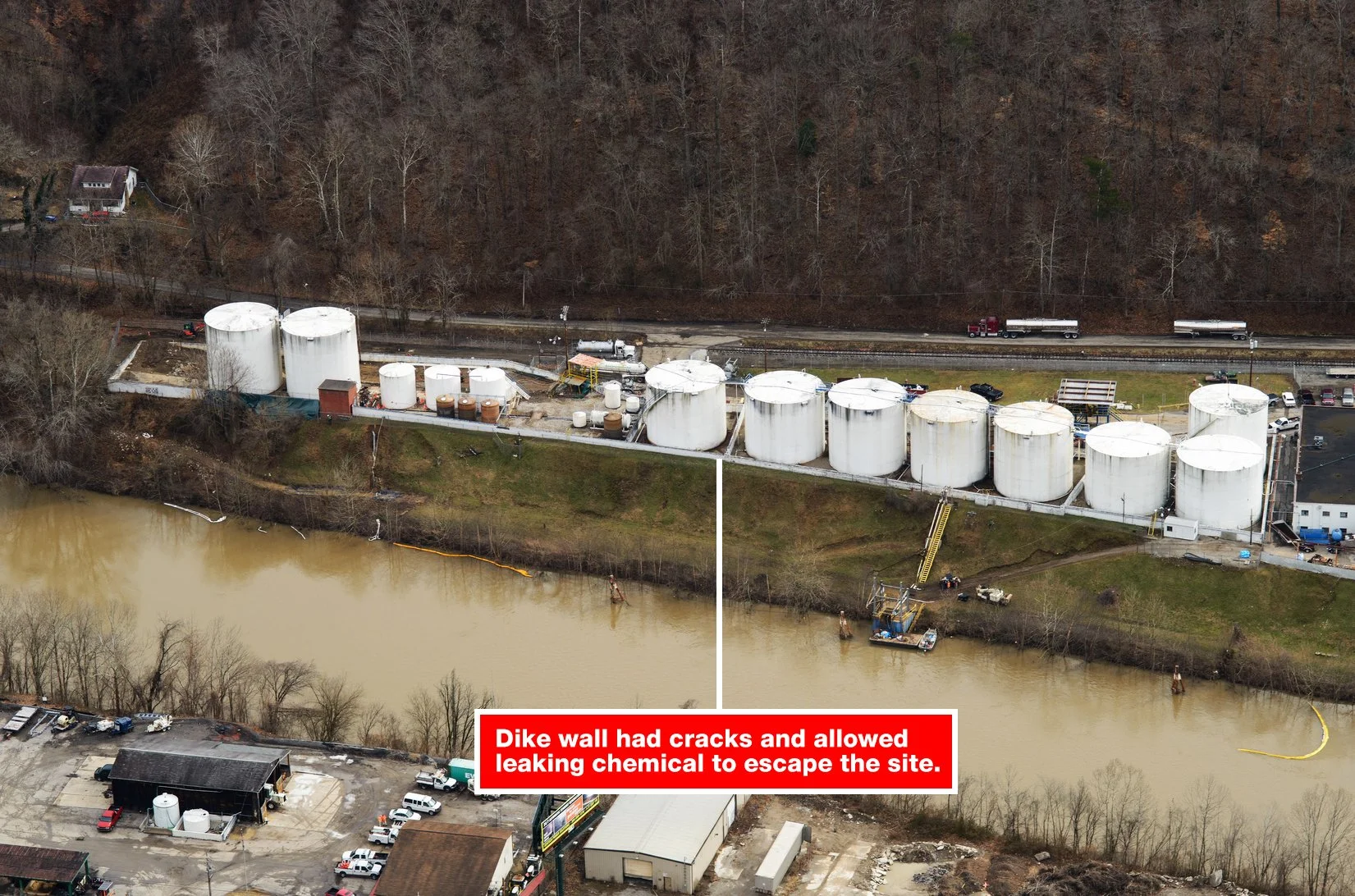
Figure 3. A tank farm owned by Freedom Industries located on the Elk River in Charleston, West Virginia stored a mixture of Crude MCHM and PPH that corroded the storage tank and resulted in 11,000 gallons spilled into the river at a point about 1.5 miles upstream from West Virginia American Water’s raw water intake. (Source: Google maps modified by Gradient Planning LLC)
A related strategy is to resolve the problems that arise during normal operations, such as staffing issues or operational issues. Nuisance problems that arise during normal operations can become significant problems during emergency operations. For example, a raw water intake facility that freezes during very cold temperatures and is not perceived as a high priority to fix could lead to no water in the system during a water quality contamination event. Or an ongoing lack of supervision at a facility that is known but seemingly managed results in a worker being killed or injured during an emergency response. Addressing these nuisance issues before they become significant issues will increase the emergency preparedness of a utility.
About the Paradigm Shift: The fully-realized Emergency Response Plan, or program as described above, arises out of our low points working tirelessly to maintain essential services to communities. It also arises out of recognizing the vulnerabilities of our utilities and all the failures- the failures of the systems we manage; and the failures we hear about from our peers. For example, in the City of Danbury, CT in April 2018, tens of thousands of residents plus local businesses, schools, nursing homes and a hospital were without water for 48 hours due to the failure of a valve. The city lost several million gallons of water. According to news reports, the replacement valve needed to be special ordered from Buffalo, NY. When an emergency like this strikes a utility, it serves as a wakeup call that it can happen at any peer utility.
I have found in my 20 years of developing emergency preparedness programs at hundreds of facilities, that although it’s uncomfortable, by initiating the preparedness of a plan in full recognition of all emergency events that that could reasonably be expected to happen, we begin in a place that offers the possibility for a utility to significantly transform their level of preparedness into greater strength and resilience. It’s the difference between having a plan and then blowing like a leaf in the wind during a major emergency, and having a plan designed with skill and insight that enables the utility to reduce losses, reduce duration of the emergency, and mitigate and prevent things that can go wrong to the extent possible.
The fully-realized plan is no longer imprisoned in a 3-ring binder. Now it is leaping out and into our staff who establish preventative precautions ahead of time through their insight and then take skillful actions during an emergency. This is called a “culture of preparedness.”
My Personal and Professional Wakeup Calls: Scientists tell us that it is a normal human reaction to minimize catastrophes before they happen and even during the catastrophe itself. We call it denial and it’s caused by our fear. I remember at the end of October 2012 around bedtime, right after Hurricane Sandy, my husband smelled smoke in our house, and I told him it was probably nothing, just the wood stove. But he insisted it smelled different than the wood stove. I insisted that I really wanted to go to sleep, but instead I clopped downstairs in my slippers and touched the wall near the wood stove and it nearly burned my fingers. He was right, and I, the “safety engineer,” was wrong.
I called 911, we evacuated our family, and one whole side of our house, built circa 1866, burst into flames 5 minutes later as the local Fire Department arrived. I hate to think what would have happened if my husband listened to me that night. Unbeknownst to us at the time, the cause was an improperly connected chimney liner and a chimney that had previously been on fire.
This event was one of two in my life that fomented my dedication and motivation to persevere in emergency preparedness and risk mitigation. The other event occurred early in my career when I read the news of a facility that had a catastrophic chemical explosion and as a result, well over 1,000 residents were evacuated in the middle of the night. The news stunned me because less than a year earlier, I had been invited to that same facility to provide my opinion in a meeting with the Plant Manager and his top staff on whether they needed a process safety management plan for their anhydrous ammonia system.
In that meeting, I failed to convince the Plant Manager and his team that although their chemical process fell just under the regulatory threshold, that they still needed to invest in the plan and soon due to “safety reasons.” Ironically, the EPA fine of just under $50,000 was almost the identical cost to develop the process safety program. That said, the facility’s losses were well in the millions when damages, lost revenue, and other factors were accounted. If we also consider the community’s economic impacts, the total losses become orders of magnitude more than the cost of implementing a plan to prevent the event from occurring in the first place.
In retrospect, I wonder if the outcome would have been different if I communicated explicitly to the Plant Manager the potential magnitude of the consequences at the expense of sounding alarmist. If I could relive that moment, whether it would have prevented the explosion or not, I would have communicated that without the safety management and planning, the plant could cause a catastrophic release of highly hazardous chemical into the workspace and the surrounding community resulting in property damage, lost production hours, community evacuation, and hospitalizations.
We all tend to minimize what could go wrong at our facilities. If it never happened before, we think, it won’t happen on our watch. Yet, case after case proves this belief to be a logical fallacy that survives because of our ignorance. If we can address our ignorance, mine and yours, then we can change our assumptions and plan differently and better.
We do this through pre-planning and prevention efforts by (1) becoming aware that emergencies can happen at our facilities; (2) recognizing that we can reduce the severity of consequences of emergencies when they do happen; and (3), we can prevent some emergencies from occurring at all.
Learning from Case Studies: One rich place to access case studies is the Chemical Safety Board (CSB). They perform investigations of emergency incidents involving chemicals and document their work in public reports. Many other types of emergency events like cyber events, critical infrastructure failures, and supply chain failures are not publically reported so prolifically, thoroughly, and scientifically as the chemical incidents documented by the CSB. Below, I summarize two of their investigations, one in the water industry and one in the chemical industry, where planning and response efforts were limited due to human decisions based on mistaken views. These two case studies are by no means outliers or unique, however, they illustrate exactly why standard practices in all industries including those in water and wastewater need to shift and improve and have been doing so since 9/11 and Hurricane Katrina.
Elk River Chemical Spill, West Virginia American Water: On January 9, 2014, approximately 300,000 people lost their potable water supply as the result of 11,000 gallons of crude MCHM and stripped PPH, chemicals used in the mining industry to wash coal, spilling into the Elk River a mile and a half upstream from West Virginia-American Water Company’s raw water intake facility. According to the Chemical Safety Board’s report of the event, it was the only raw water intake facility to serve the population. Water utility personnel assumed that the plant would effectively remove the reported chemical spill from the raw water. This assumption was incorrect. West Virginia American Water settled a class action lawsuit for $126 million. The owner of the chemical tanks assumed that the tanks were compatible with the chemical mixture when in fact, the chemical corroded the tank material. The owner of the chemical, Eastman Chemical Company, settled the same class action lawsuit for $25 million. The owner of the tank, Freedom Industries, went bankrupt.
Hurricane Harvey, Arkema Crosby: Another recent example, although outside of the water and wastewater industry, occurred at the time Hurricane Harvey hit the Texas coast in August 2017. According to another Chemical Safety Board report, Arkema Crosby, a facility that manufactures organic peroxides, chemicals so unstable that they require extreme refrigeration to handle safely, had a Hurricane Preparedness Plan.
Figure 4. During Hurricane Harvey, when the flood water reached the knees of the ride-out crew at Arkema Crosby, the crew strongly believed that the water would recede. When the water reached chest-level, the site was evacuated and efforts to refrigerate the highly unstable organic peroxides had to be abandoned to protect the lives of the ride-out crew. (Source: Image modified by Gradient Planning LLC)
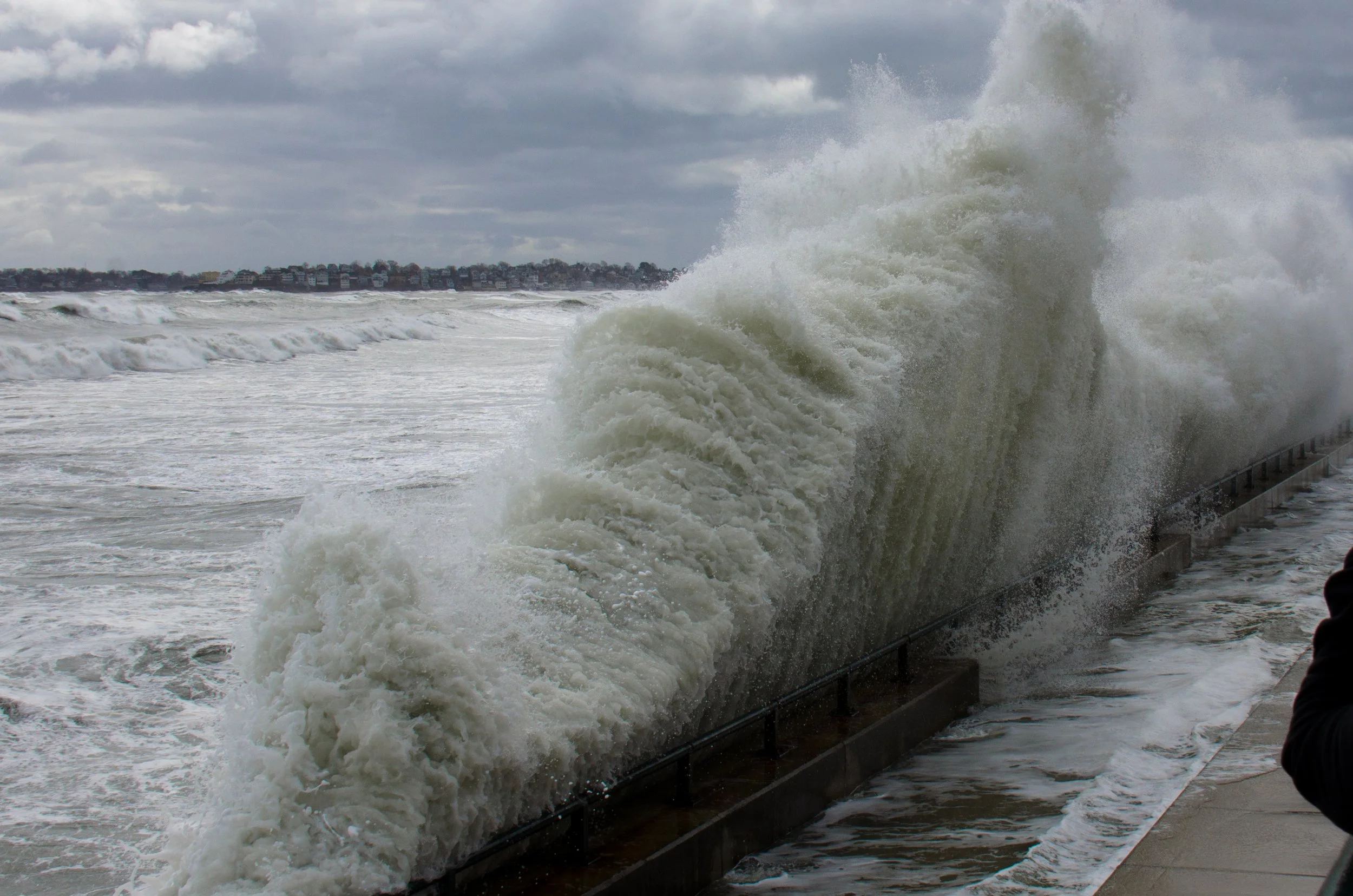
Figure 1: Some utilities have critical assets located along the coastline. These assets are subject to (1) the slow-moving hazard of rising sea level and (2) the fast-moving hazard of coastal flooding during extreme high tides and coastal storms.
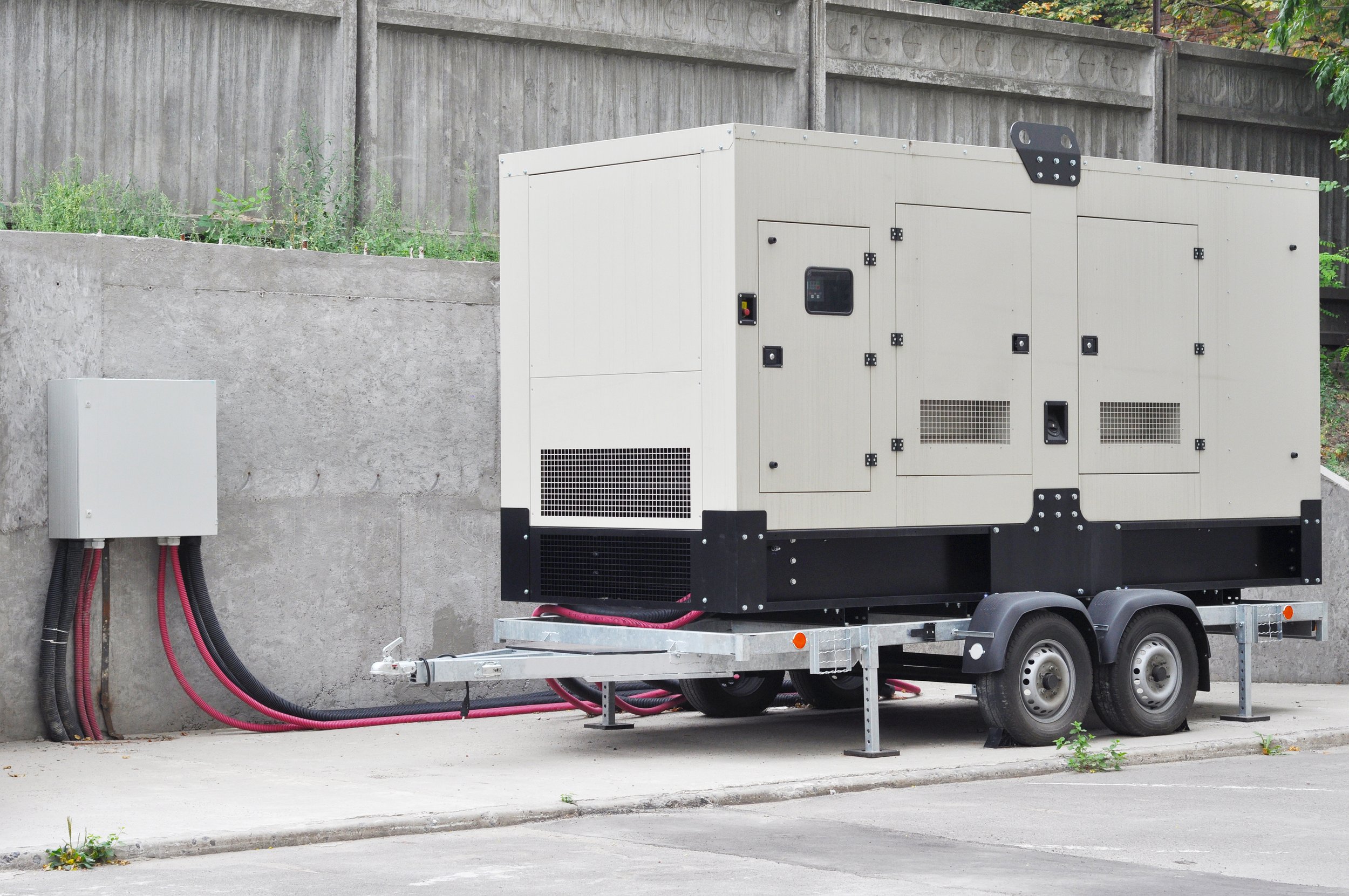
Figure 2. Some utilities utilize portable emergency power generators with pre-built electrical connections to provide backup power remote facilities.
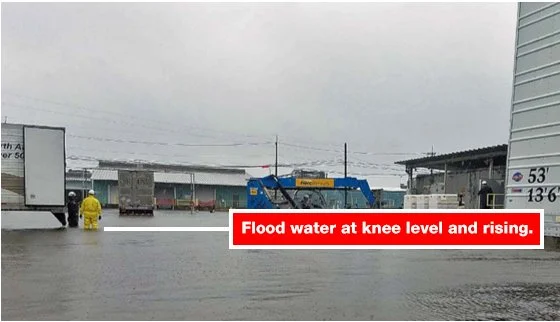
The facility was identified to be in the 100- and 500-year flood zones. Based on the collective experience of Arkema Crosby employees, the staff assumed the amount of rain from Harvey would likely flood surrounding roads. They based this assumption solely on some previous flooding events but not all past flooding events. They did not anticipate any safety systems being impacted. To their shock, by the time the hurricane had passed through southeastern Texas, not only were safety systems at Arkema Crosby impacted, but all the layers of protection in place to stabilize more than 350,000 pounds of organic peroxides stored on site failed due to one single cause- flooding. This happened despite the Herculean efforts made by employees in ankle-deep, waste-deep, and then chest-deep water to move chemicals to higher ground.
The only thing first responders could do at that point was to evacuate a 1.5 mile radius of residents and let all the organic peroxides burn up. Before this event occurred, despite performing risk assessments and emergency planning activities, not once had any staff member considered a flood worse than the ones they experienced in the past. Flooding was not including in the facility’s chemical risk assessments and therefore not one of the many layers of protection put in place by plant personnel could mitigate the event that ended in clouds of chemical fumes blowing over a major highway and into the surrounding community area for 1 week straight.
Water and Wastewater Response Network’s (WARN’s) After Action Report on Hurricanes Harvey and Irma: Federally-declared emergencies like hurricanes typically receive significant public discussion in forums and are documented in national and industry reports. There are no published case studies of water and wastewater utility experiences during Hurricanes Harvey and Irma, however, the WARN After Action Report on Hurricanes Harvey and Irma documented improvement actions discussed by impacted water and wastewater utilities, state and federal partners, and the WARNS in Florida, Georgia, North Carolina, South Carolina, Tennessee, and Texas after Category 4 Hurricanes Harvey and Irma made landfall on August 25, 2017.
The key improvement actions identified in the report that affect water and wastewater utilities are as follows:
The United States government should establish a policy that designates water and wastewater services as top priorities for power restoration.
Water utilities should assess emergency power requirements and identify backup power options, including alternate fuel supply plans.
State emergency management agencies should ensure that water and wastewater utilities are represented in local and state emergency operations centers during activations.
Local emergency managers should facilitate information sharing with water utilities and power providers.
The Way Forward Requires Perseverance: True stories like these caution utilities to plan imaginatively (thinking “what could reasonably happen?”); question assumptions; use scientific data; watch out for warning signs and innate tendencies toward denial; and to plan for what could happen.
If a utility does not already have a leader or manager questioning and examining potential threats to your utility’s mission, one should be assigned. Once assigned, that role can initiate protections against loss of life, loss of property, loss of revenue and economic stability, and damage to your utility’s reputation. Activating this role is significant and necessary to adequately respond to current and anticipated needs.
When utilities work on emergency response plans, they should not just utilize the basic template process but also counteract default reactions that minimizes what could go wrong. Utilities can do the following:
Utilize scientific data like annual rainfall and temperature data;
Utilize valid resources like FEMA Flood Maps;
Investigate our neighboring facilities and identify what chemicals and quantities are stored there;
Review our regional and state hazard mitigation plans and Threat Hazard Identification and Risk Assessment (THIRA) reports; and
Seek other data to clarify exactly what are the risks that could impact our facility, operations, and staff and other resources.
Utilities should meet with our local fire and police departments and local Emergency Managers and listen to their perspectives on the potential risks. It is an ongoing process of perseverance with one goal: protecting the utility’s mission.
How to Build an Emergency Preparedness Program:
A very skillful emergency management and mentor of mine used to say whenever we started something new, “Use the KISS approach” meaning “Keep It Simple Stupid.” While that may no longer be the most politically correct thing to say in the workplace, it is good advice. Basically it means to expend the least effort to create the biggest effect.
Emergency preparedness activities, as they are presented in guidance documents and possibly even this article, can sound complicated and burdensome. They can be difficult to communicate to staff because it is more conceptual than tangible. That is until a utility compares the emergency preparedness process to responding to a major emergency without having an emergency preparedness program in place. In an emergency, a utility will not have the grace of time that it has now to work out issues or determine the best and most defensible response plans. Utilities should keep emergency preparedness programs simple and grow them incrementally over time. Eventually, staff will adapt.
A utility should begin emergency preparedness with the following three questions: “why plan for emergencies?”, “why plan for emergencies at our utility?”, and “why plan for emergencies at our utility at this time?”.
These questions lead to discussions about what could be lost if the utility is not prepared for what could happen, like a flood, tornado, critical component failure, cyber attack, or hurricane. What is at stake are lives, property, revenue, and the ability to continue service, economic viability, and the utility’s and stakeholder’s reputations.
These questions generate the motivation for a successful emergency preparedness program at a utility and result in a real and explicit commitment to emergency preparedness by utility leadership.
Explicit Commitment to Preparedness: When utility leadership take emergency preparedness as a goal in full recognition of the negative consequences that could occur, then the capacity to respond to emergencies is increased. For example, compare emergency response outcomes of a fire department that is organized, equipped, and ready to respond and to one who is not. An unprepared department wastes dollars while failing to save lives and property. Additionally, staff morale suffers when its utility is not prepared.
There are many ways to develop an explicit commitment to emergency preparedness. Some ways are listed as follows:
Include a statement of commitment to emergency preparedness in utility documents.
Ensure staff participation during emergency preparedness training and exercises.
Publicly recognize and support staff who demonstrate actions that identify and communicate hazards, mitigate risks, and improve emergency preparedness.
Include emergency preparedness activities in the utility budget.
Perform and participate in emergency exercises at utility, municipal, and state levels.
Support continuous improvement of emergency preparedness at the utility through performing incident investigations that support staff while identifying root causes, lessons learned, and action items to be discussed at future meetings.
Use the words “preparedness culture” at the utility when talking with staff and express why it is something to value.
From there, the utility begins the emergency preparedness cycle, as represented in Figure 1. This proven methodology is the same across all sectors, from emergency services to banks to water and wastewater utilities.
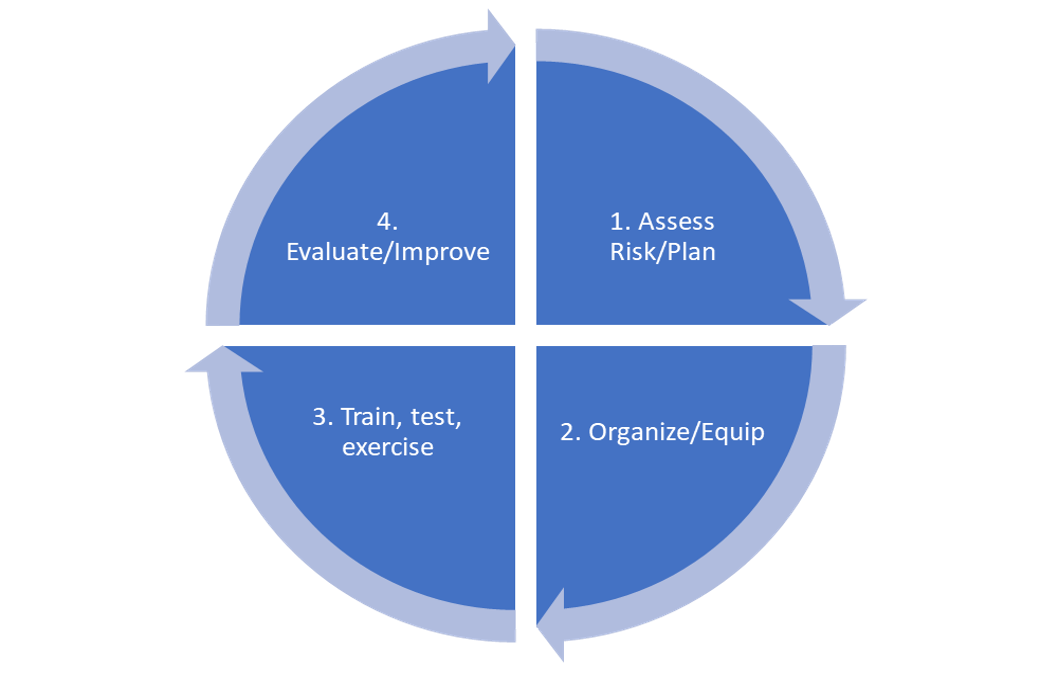
Figure 5. Figure 1. Emergency Preparedness Cycle. (Source: Gradient Planning LLC)
First, the utility manager should identify hazards and threats, assess risks to the utility, and create plans for controlling risks and responding to emergencies. This is not easy to do, however, there are many guidance documents at the state, national, and global levels to help water and wastewater utilities.
Risk Assessment: In New England, a utility would not plan for a volcanic eruption, at least not for the next million years according to scientists, but a utility in Hawaii would. Similarly, a utility with assets located near the coastline would assess the risks of coastal flooding (e.g., hurricane with strong winds and coastal flooding) while a utility with all inland assets would not (e.g., hurricane with strong winds only).
The ANSI/AWWA J100 Standard, Risk and Resilience Management of Water and Wastewater Systems provides a list of hazards and threats that a utility may utilize to begin identifying which hazards and threats are relevant for its facilities.
Equally important is for a utility to identify and characterize (1) its critical assets in terms of the threats and hazards that could occur at the utility, (2) the consequences of those threats and hazards that could materialize given an emergency event, and (3) the vulnerabilities that could exacerbate and escalate the consequences.
Those assets that support the entire service area or most of it, such as a transmission main, or a treatment plant, are more critical than a pump station that serves only 2% of residential customers. The consequences of losing each critical asset must be explored.
Similarly, vulnerability of critical assets should be explored. Two assets that support the same service area may carry different levels of vulnerability. For example, one may be located in a flood plain or near a potential explosion source and others asset may be located well outside of any geographical threat. Similarly, this is true if one asset is equipped with advanced communication and security features and the other is not; or if one asset has components that require a long lead time to replace and another asset has components that are quick to replace. The vulnerability of each critical asset must be assessed.
Also, a risk assessment should include the consequences and vulnerabilities related to customers such as health care facilities, schools, other critical infrastructure, dense populations, vulnerable populations, critical large users, and others.
Emergency Response Plan:
It is vital that an emergency response plan addresses the following: (1) how incidents are managed at the utility including roles, responsibilities, trigger points, and response procedures for incident management functions as well as for hazard-specific functions; and (2) how staff communicate during an emergency including an up-to-date emergency contacts list.
Also, a utility should ensure that response procedures utilize the Incident Command System (ICS), a standard system that is proven to best manage incidents.
The plan should also address how the emergency preparedness program is managed at the utility such as the following:
How often the Emergency Response Plan is updated and who is responsible for the plan;
Procedures to document and record activities of the emergency preparedness program;
Statement of explicit commitment to preparedness;
Multi-year training and exercise plan to keep staff engaged and ready to implement the plan;
Procedure for investigating incidents that occur to capture lessons learned and utilize them for continual improvement.
Lastly, the plan should include resources to aid incident management activities. These resources may be kept in Appendices and include but not be limited to drawings and figures; contractual agreements that may be activated during an emergency; guidance documents; tools; and templates.
Communications:
Whenever an emergency occurs, communications becomes a critical factor in a successful response. To ensure that communication is as seamless as possible, the emergency response program should establish, ahead of time, a communications plan. It can be part of the emergency response plan and should include the following:
Identification of staff who are part of a “communications team,” that is responsible for emergency communications. Identify which staff are authorized to speak publicly on behalf of the utility.
Up-to-date emergency contacts list that includes all-hours contact information for critical customers, local and customer municipalities, state agencies including regulators, other stakeholders, critical vendors, and others as appropriate.
Relationships with emergency preparedness partners, learning who they are, identifying others that a utility may be unaware of, and continuing those relationships through regular meetings and joint efforts such as participating in emergency exercises together.
Procedures to communicate with the public.
Procedures to communicate with the media to instruct the public about safety actions to take (e.g., boil water notice). These procedures should be based on proven risk communication methods such as “message mapping” and best practices such as “be first, be right, be credible.”
Procedures to communicate with the media about an emergency event and the utility’s response.
Procedures to communicate with staff about an emergency to provide them with information to keep them safe, aware, and aligned with the utility’s objectives in the emergency response effort.
Training and Exercises:
Key response staff at the utility should be trained in ICS. It is the standard system for managing incidents and it is the system that all of the utility’s response partners should be using as well. This ensures a coordinated effort with all responders speaking the same language.
Also, key response staff at the utility should be trained in their roles and responsibilities in the emergency response plan. This may include hazard-specific procedures such as storm preparedness procedures, shutting down critical components, manual and temporary operations procedures, cold weather operations, and many others that may be required during an event that could happen at a utility.
After a utility has performed its risk assessments, emergency response planning, and training, it is important and valuable to know whether these activities have resulted in a more prepared utility.
There are two ways to test the effectiveness of an emergency preparedness program: (1) a real emergency; and (2) an emergency exercise that simulates a real emergency. Therefore, it is very important for a utility to set aside time in meetings and in normal operations to discuss or try out an emergency response to a scenario that could occur at the utility.
If discussing an emergency response, some examples may be to ask questions like, “how would we continue operations if we lost SCADA, or lost power for two weeks or more, or lost a critical component of our system, or lost the top three people at our utility.”
Example tests that a utility may consider performing include the following:
Turn off the SCADA system and perform manual operations,
Turn off power and testing the emergency generators,
Contact all key emergency response partners and recording the results,
Operate without using a critical component of the system,
Evacuate the building and record how long it takes staff to evacuate safety and as expected.
After real emergencies and after emergency exercises, it is very valuable for a utility to record what happened, lessons learned, and identify ways that the utility can improve its risk assessments, mitigation of consequences, response capabilities, emergency and communications planning, staff training, and future exercises. This creates a roadmap for the utility to improve their level of preparedness. Without this process, there is capacity to adapt, no “knees bent,” at the utility.
Planning Resources Available: The following resources contains information to help water and wastewater utilities plan for emergencies: ANSI/AWWA J100 Standard, Risk and Resilience Management of Water and Wastewater Systems, ANSI/AWWA G440-17 Standard on Emergency Preparedness Practices; the AWWA M19, Emergency Planning for Water and Wastewater Utilities published in 2018; and the AWWA Emergency Preparedness and Response for Water Utilities DVD. One helpful resource for water and wastewater utility personnel to prevent and prepare for cyber emergencies is AWWA G430-14 Standard on Security Practices for Operation and Management. Also FEMA’s www.ready.gov is a good resource for everyone.
Last Words: Emergency response planning is not just a box to check. It’s a real opportunity to dig deep and identify actual risks to your utility. With this knowledge, improved actions are not only possible, they can enable us to reduce losses, reduce the duration of an emergency, and mitigate and prevent some things that can go wrong.